Tuesday, June 22, 2010

Phir Kisi Rahguzar Par Shayad


Phir kisi raahguzar par shaayad
Hum kabhi mil sakein, magar shaayad

Jaan pehchaan se bhi kyaa hoga
Phir bhi aye dost ghaur kar, shaayad

Muntazir jin ke hum rahe un ko
Mil gaye aur hum-safar shaayad

Jo bhi bichhre hain kab mile hain “Faraz”
Phir bhi tu intizaar kar shaayad

Tuesday, January 19, 2010

Hon'ble Shri Jyoti Basu - An Interview

Hon'ble Shri Jyoti Basu - An Interview

In an informal interview at the Writer's Buildings, the Chief Minister of West Bengal, Hon'ble Shri Jyoti Basu, a fellow Xaverian, recollected to Dr. Argha Banerjee, Professor English Dept. St. Xavier’s College, Calcutta and Ambarish Singh Roy, Alumnus, B.Com Dept. & Member Editorial Board, his experiences of being a true Xaverian with a tinge of nostalgia .He shared his views not only on his association with St Xavier's but also a wide gamut of relevant issues pertaining to the present educational system and today's youth.


Can you tell us any striking anecdotes that you remember pertaining to your time at St Xavier's?

I was in St Xavier's from 1924, I took my admission in the 2nd standard, and went on to appear for the Senior Cambridge, and Intermediate exams from the school and college respectively. My father was late for my admission, so when we went to St. Xavier's for the 1st standard, they said they were full as they took only 30 students in their class at that time.. I went back the next year .I completed my first standard from Loreto Day school, Dharamtolla, and fortunately I was admitted there, but sister told my father "tell your son he's going to be the only 'boy' student in the class". I belong to a non-political family. Even in St.Xavier's I don't remember any political movement, except in 1930, when there was the famous Chittagong Armoury raid and even a student like me was enthused by that. Next day the Headlines appeared in the newspapers and the students, we quarrelled among ourselves. Most of the students then were British or Anglo-Indian, I remember only two of us were Bengalis, I and a friend of mine, and we thought the raid was a good thing. Why I remember this is because the very next day a leaflet was issued by the authorities at St.Xavier's condemning this incident, so there was a little bit of tiff between us.

Teachers who left an impression on you.

There was a lecturer Mr. Rolland and one Fr. Shields, he was an Irishman, I think, whom I still remember. I remember Fr. Shields because even after I came back from England and joined politics, he came to our house and met my wife. Now he is no more, I think he was later in Ranchi St.Xavier's. There were some others, most of them were Belgians, Irish or foreigners and one or two Anglo-Indians were also there. I can't recall their names.

Subject-wise, which were you more interested in?

I was more interested in Arts, I was bad in Mathematics. There was one Mr. Hall who was a very fine teacher. Only once did I have to take tuitions in mathematics because I got frightened, I was really bad in mathematics.


Speaking of tutors, it is a very sensitive issue, like you mentioned once you had a private tutor, now it has become a run of the mill exercise.

Nowadays everybody seems to keep private tutors, especially those who have the money. I feel very sad about it. It is a very bad thing that has happened, although the remuneration of the teachers has gone up, of course they have to teach a lot more students now. I remember in our times it was 30 students in one class; I don't know what's happening in St.Xavier's now. But when we were there I was very impressed by the dedication of the teachers, be it in school or college, and we had a team of dedicated teachers to guide us. We had regular weekly exams. I remember we were given cards according to the numbers we received. If one received a Grey card thrice, he would be expelled from school. Fortunately I never got that card! There were different cards according to gradations, for instance, there was another one for academic excellence. But coming back to the issue of interest in subject, I was more interested in Arts than in Science subjects. From the sixth standard I remember I had Latin as my subject, there was no provision for Bengali, so in Senior Cambridge, I know it may sound strange but I had Hindi as one of my subjects along with Latin, and not Bengali. It was very easy to pass in Hindi I remember!

How would you compare the education system of today with the one prevalent in your times?

Now a days the situation is bit different, I do not blame the teachers but the system has become such that are a lot of boys in a class, so, like in our times individual attention cannot be given to the students. In our times teachers used to give a lot of individual attention, they used to call us after class and sort out our problems; you don't have those things anymore. The schools and colleges are overcrowded today with little scope for individual attention.

Curriculum

The curriculum has certainly changed for the better staying in tune with the modern requirements of subjects like electronics, computers. It is difficult to compare and generalize but one can nonetheless compare and say that a lot of variety has been introduced into the curriculum for the better, according to the requirement of modern times. Students today have a lot to choose from unlike our days.

What about the brewing commercialization of education?

If you talk about the whole of India, that is what has happened, that is what we have been trying to avoid for the 23 years that we have been in government and you know we have made education free upto the level of class 12. But we think, from our experience that private institutions are also necessary. We have to involve the Industrial houses in setting up Schools and colleges. We think now, more than ever that mix is necessary. Like we didn't have these private engineering colleges, now we've got 12 of them, another 12 are coming up. But we didn't have these previously, that is why people blame us because we didn't have these private institutions so our students had to go to other states and study. But at present we are having a 'mix'.

Students' participation in politics.

St.Xavier's was one place I remember, where there was no politics. Even then, when there were strikes in other institutions, St.Xavier's never joined. This I remember, but again one incident happened, I think it was in 1930 or '32, when Gandhiji went on fast, in his non-cooperation movement and I used to come to school with my father who was a doctor, I told my father that I didn't feel like going to school on that day as Gandhiji was on fast. He didn't object to that at all, he wasn't a political person; he said, "Okay you come with me and sit in my chambers."

You asked me a question about student's involvement in politics; I think they have to be involved. If what we thought during the Freedom struggle had happened, that wouldn't have been necessary. We thought the British were responsible for all the ills that happened in India, but after 50 or 52 years of Independence we see that students still have to be involved in politics because of the unemployment situation, they don't get jobs, they don't know what is going to happen to their future. They have to be aware of the planning processes, the economy which has evolved, and also discuss among themselves, the different points of views and philosophies that prevail. But people like me, who think like me, we tell them, “that you have to be in politics, you have to know what is happening, because that is your future. What is going to happen to our country, from the economic point of view, from the social point of view, from the political point of view involves the future. But studies are most important. That you must not neglect at any cost. Unfortunately for our country, what we never thought would happen, 40% of the population is illiterate. Since some of you have got the opportunity to study, you must make the best of it. That is the kind of advice we give them. The students have their own organizations, they are not political, and they debate among themselves about the education system, the syllabus and we ask them to give us their views. If all that was promised during independence had happened, then students would have been interested in building the nation. But that is not the situation. Students have also entered into politics. Sometimes they have to go on strikes; then again I say concentration should be on the studies, that is the main thing. But of course you have to be concerned about your future. You have to know what is the 9th plan? What happened to the 8th plan? What is your future? Will you get a job or will you be in business? Because your future is involved.

Opinion about the brain drain

Students, when they get an opportunity, they go abroad. We talk about brain drain, but I am in two minds about it. I would like all of them to help us in India, but we can't give them the opportunity. The Bengali Doctors who reside in America once invited me. They have their organization and they hold their annual conferences, and one of them took me to Toronto, I think there were about 250 of them, when I saw their bio-data, I said I don't talk about brain-drain anymore. We haven't been able to give them the opportunity, but they are doing so well there. The doctors are very well known, some of them have written books also, so I was very happy and I told them “you work here and when the opportunity comes you may also come back" some of them are coming back. I think more opportunities will be opened up for them with the progress in the fields of information technology, electronics, computers and so on.

Do you think students now have given up their idealism and become more self-indulgent?

Well that is the society. That is western society that is having its infection on our society also. What can be done? Television and electronic media newspaper and so on…. It's not quite proper what is happening. We are losing our grip on our own culture. I don't say we should remain where we were, we should adopt what is good from outside also of our country whether in arts science or technology. But we must have a base of our own. Unfortunately, my feeling is that the younger generation gets allured by that the media exposure of the Western Society. Their entertainment should be based on our own culture along with what is best in other cultures also.

Message for Xaverians

St Xavier's my school, my college whenever I hear that someone is from there I feel happy and I again tell them that you have got this opportunity Work hard, study study study! Try to take the best the institution has to offer you, especially the hard work of the teachers, try to do your best not only for yourself and your family but for the country as well.

Friday, November 06, 2009

Flitting by Lucknow and Nainital


Whenever I travel I try to soak in as much of the local culture, scenery and of course food as possible. I recently undertook what some would say an arduous journey from Calcutta to Nainital. I had to travel 4 days by train to spend 2 nights at Nainital. The reason I agreed to this gruelling travel schedule was the company of good friends which made 4 days in carriages of Indian Railways feel less dreary.

I took an overnight train to Lucknow via the Punjab (Now renamed Amritsar) Mail from Calcutta. I was pleasantly surprised to see that the 1st A.C. Compartments (including the toilets) had been done up recently. It's been given a more contemporary look and a comfortable feel. We reached Lucknow in the evening of the following day. I interject here to add a commentary about a personal quirk. I am in the habit of making pilgrimages to certain places or eateries of different cities whenever I flit by. To me the experience isn't complete without a visit to these places. In Lucknow for example, there are the Imambaras, the Residency and of course Tunday Kebabi. I confess I couldn't make it to the Imambaras or the Residency this time due to paucity of time between connecting trains. But I did jump into an Auto-Rickshaw and headed straight for Aminabad. The drive in a Lucknow Auto from the Lucknow Station to Aminabad and from there to the Aishbag Station (where we took the train to Lalkuan), was akin to a high speed chase from in a Robert Langdon starrer Dan Brown Novel with an equal measure of thrills thrown in. It took me 35 minutes to get to Tunday Kebabi, another 30 minutes to get Mutton Tunday Kebabs and Mutton Dum Biryani packed (although I still regret not getting the whole Tandoori Chicken packed). A 30 minutes dash back and we were on the train in an ordinary 1st Class Compartment. I confess this was an experience hitherto unknown to me. However, in congenial company aided by the aroma and heavenly flavour of Tunday's delicacies, it didn't seem that bad after all. The 'Tunday’ (or Tunde) Kebab is actually a spiced version of the Galouti Kebab although much slimmer. It is crispy on the outside and melt-in-your mouth soft on the inside. Although we had it with the Mutton Dum Biryani, I feel it always goes a lot better with a Naan or a Roomali Roti. I did not rate the Dum Biryani too high. The unseemly usage of vanaspati or dalda marred the lucknavi flavour of the Biryani. However, the Kebabs more than made up for this lacuna.

We arrived at Lalkuan at 6 AM and it was bitterly cold. A khullar of masala chai offered comfort at the railway station. We took a car to Nainital, the climb was steep yet scenic. We also managed to get twenty if not forty winks on the way. It took us about an hour and a half to get to Nainital and our hotel Armadale. The hotel did not quite live upto my expectations or it’s advertisements on the Website, and we quickly changed from our so-called ‘Executive Rooms’ to the ‘Majestic’ Suite, which was a tad more comfortable. To our dismay we were informed that the chef had taken a week’s leave, so all the hotel could offer was Parathas and Toast. We took a stroll down Mallital and had lunch at a nondescript restaurant which served rather nice cheese-chicken sandwiches. The dinner was at a hotel called Vintage Inn and was on the whole forgettable. The next day we ventured to the Mall and had lunch at Sackley’s Pastry Shop and Restaurant. This was quite the find. Sackley’s is a tastefully decorated eatery which serves Continental, Italian, Chinese and Thai food with equal élan. We tried a combination of Chinese and Thai which proved most satisfactory. The Tom Yum soup was very well prepared. The Chicken Chowmein and Chicken Fried Rice were also quite well prepared. But they excelled themselves at the Chilli Minced Lamb and Kung Pao Chicken (a Cantonese Version which I’ve never tried before). Dinner that night was at the Hotel Armadale and was predominantly vegetarian. The next day, we set out sightseeing in and around Nainital, visited the Naina Devi Temple and did some shopping on the Mall. The Naina Devi Temple is an oasis amidst the bustle of the busy hill station; it is an abode of serene solitude. The temple opens right up to the lake and the effect on the meditative pilgrim is most pronounced. On our way out of Nainital, we visited the fabled ‘Machan’ restaurant for lunch. It did live upto it’s reputation in the variety and quality of the fare it had on offer. We ordered Onion Kulchas, Gobi Mutter, Mutton Seekh Kebab, Murgh Kali Mirch and Kali Dal. Except the Seekh Kebab which appeared to be undercooked, the rest of the fare was extremely well prepared. I particularly enjoyed the Murgh Kali Mirch with the Onion Kulcha. After a stroll down the Mall we realised that we needed to have dinner packed for the train…so it was back to Sackley’s . They packed a wonderful basket of Chicken and Cheese Sandwiches, Chicken Rissoles, Mushroom & Chicken Pizza, Chocolate Eclairs and Chocolate Tarts. The Pizza and the tarts were simply exquisite.

We reached Lucknow very early and our connecting train to Calcutta was delayed by 3 hours. I was not in the mood to dash to Aminabad so early in the morning. So after a nap at ‘Indradhanush’ the Lucknow Station’s bijou Air-Conditioned guest rooms (you guessed it – the rooms bear names like Hara, Peela, Neela and so on…), I went out hunting for books on Urdu Shayari and Hindi Sahitya. The only interesting books I found were a compilation of the works of Nida Fazli and another of Bahadur Shah Zafar. Unfortunately nobody had a copy of Diwan-E-Ghalib or the works of Meer Taqi Meer. But most strikingly, the city of Lucknow did not have any compilation of the works of it’s last Nawab Wajid Ali Shah, who was an accomplished poet and wrote under the pseudonym ‘Akhtarpiya’ amongst others. Nearer to the time of our trains’ departure, we realized that we hadn’t had lunch and went to the ‘Cumsum’ Restaurant at Platform No. 1. We ordered a meal of Chicken Biryani (which was served with a gravy – Hyderabadi Style) and Egg Quorma. Both these items proved edible. We proceeded to board the Punjab Mail back to Calcutta. The evening’s meal was supplied from the pantry car which consisted of piping hot samosas, Pakoras and aloo bondas. A much awaited home-cooked dinner came from Varanasi. The train arrived in Calcutta more than 5 hours late, so we also got a chance to breakfast on bread, butter and omelette from the train’s pantry car.

Tuesday, August 11, 2009

Tsunami alert issued, the withdrawn in India due to 7.7 Earthquake in the Andamans

Tsunami alert issued in India due to 7.7 Earthquake in the Andamans. http://bit.ly/Yes49

TSUNAMI BULLETIN NUMBER 001
PACIFIC TSUNAMI WARNING CENTER/NOAA/NWS
ISSUED AT 2005Z 10 AUG 2009

THIS BULLETIN IS FOR ALL AREAS OF THE INDIAN OCEAN.

... A REGIONAL TSUNAMI WATCH IS IN EFFECT ...

A TSUNAMI WATCH IS IN EFFECT FOR

INDIA / MYANMAR / INDONESIA / THAILAND / BANGLADESH

FOR OTHER AREAS OF THE INDIAN OCEAN REGION...THIS MESSAGE IS FOR
INFORMATION ONLY AT THIS TIME.

THIS BULLETIN IS ISSUED AS ADVICE TO GOVERNMENT AGENCIES. ONLY
NATIONAL AND LOCAL GOVERNMENT AGENCIES HAVE THE AUTHORITY TO MAKE
DECISIONS REGARDING THE OFFICIAL STATE OF ALERT IN THEIR AREA AND
ANY ACTIONS TO BE TAKEN IN RESPONSE.

AN EARTHQUAKE HAS OCCURRED WITH THESE PRELIMINARY PARAMETERS

ORIGIN TIME - 1956Z 10 AUG 2009
COORDINATES - 14.1 NORTH 93.0 EAST
LOCATION - ANDAMAN ISLANDS INDIA REGION
MAGNITUDE - 7.7

EVALUATION

SEA LEVEL READINGS INDICATE A TSUNAMI WAS GENERATED. IT MAY HAVE
BEEN DESTRUCTIVE ALONG COASTS NEAR THE EARTHQUAKE EPICENTER.

THE THREAT MAY CONTINUE FOR COASTAL AREAS LOCATED WITHIN ABOUT A
THOUSAND KILOMETERS OF THE EARTHQUAKE EPICENTER. FOR THOSE AREAS
WHEN NO MAJOR WAVES HAVE OCCURRED FOR AT LEAST TWO HOURS AFTER
THE ESTIMATED ARRIVAL TIME OR DAMAGING WAVES HAVE NOT OCCURRED
FOR AT LEAST TWO HOURS THEN LOCAL AUTHORITIES CAN ASSUME THE
THREAT IS PASSED. DANGER TO BOATS AND COASTAL STRUCTURES CAN
CONTINUE FOR SEVERAL HOURS DUE TO RAPID CURRENTS. AS LOCAL
CONDITIONS CAN CAUSE A WIDE VARIATION IN TSUNAMI WAVE ACTION THE
ALL CLEAR DETERMINATION MUST BE MADE BY LOCAL AUTHORITIES.

ESTIMATED INITIAL TSUNAMI WAVE ARRIVAL TIMES AT FORECAST POINTS
WITHIN THE WARNING AND WATCH AREAS ARE GIVEN BELOW. ACTUAL
ARRIVAL TIMES MAY DIFFER AND THE INITIAL WAVE MAY NOT BE THE
LARGEST. A TSUNAMI IS A SERIES OF WAVES AND THE TIME BETWEEN
SUCCESSIVE WAVES CAN BE FIVE MINUTES TO ONE HOUR.

LOCATION FORECAST POINT COORDINATES ARRIVAL TIME
-------------------------------- ------------ ------------
INDIA NORTH ANDAMAN 13.3N 92.6E 2021Z 10 AUG
LITTLE ANDAMAN 10.7N 92.3E 2053Z 10 AUG
PORT BLAIR 11.9N 92.7E 2121Z 10 AUG
GREAT NICOBAR 7.1N 93.6E 2136Z 10 AUG
KAKINADA 17.2N 82.7E 2205Z 10 AUG
BALESHWAR 21.6N 87.3E 2231Z 10 AUG
MYANMAR PYINKAYAING 15.9N 94.3E 2047Z 10 AUG
CHEDUBA ISLAND 18.9N 93.4E 2100Z 10 AUG
SITTWE 20.0N 92.9E 2135Z 10 AUG
MERGUI 12.8N 98.4E 2243Z 10 AUG
YANGON 16.5N 96.4E 2321Z 10 AUG
INDONESIA BANDA ACEH 5.5N 95.1E 2204Z 10 AUG
THAILAND PHUKET 8.0N 98.2E 2244Z 10 AUG
KO PHRA THONG 9.1N 98.2E 2257Z 10 AUG
KO TARUTAO 6.6N 99.6E 0012Z 11 AUG
BANGLADESH CHITTAGONG 22.7N 91.2E 2340Z 10 AUG

ADDITIONAL BULLETINS WILL BE ISSUED BY THE PACIFIC TSUNAMI
WARNING CENTER FOR THIS EVENT AS MORE INFORMATION
BECOMES AVAILABLE.

TSUNAMI BULLETIN NUMBER 004
PACIFIC TSUNAMI WARNING CENTER/NOAA/NWS
ISSUED AT 2211Z 10 AUG 2009

THIS BULLETIN IS FOR ALL AREAS OF THE INDIAN OCEAN.

... THE TSUNAMI WATCH IS CANCELLED ...

THIS BULLETIN IS ISSUED AS ADVICE TO GOVERNMENT AGENCIES. ONLY
NATIONAL AND LOCAL GOVERNMENT AGENCIES HAVE THE AUTHORITY TO MAKE
DECISIONS REGARDING THE OFFICIAL STATE OF ALERT IN THEIR AREA AND
ANY ACTIONS TO BE TAKEN IN RESPONSE.

AN EARTHQUAKE HAS OCCURRED WITH THESE PRELIMINARY PARAMETERS

ORIGIN TIME - 1956Z 10 AUG 2009
COORDINATES - 14.1 NORTH 93.0 EAST
LOCATION - ANDAMAN ISLANDS INDIA REGION
MAGNITUDE - 7.7

EVALUATION

SEA LEVEL READINGS INDICATE THAT A SIGNIFICANT TSUNAMI WAS NOT
GENERATED. THEREFORE THE TSUNAMI WATCH ISSUED BY THIS CENTER
IS NOW CANCELLED.

THIS WILL BE THE FINAL BULLETIN ISSUED BY THE PACIFIC TSUNAMI
WARNING CENTER FOR THIS EVENT UNLESS ADDITIONAL INFORMATION
BECOMES AVAILABLE.


Monday, June 22, 2009

Bandish of a Lucknow Nawab

Bandish of a Lucknow Nawab

By Ambarish Singh Roy
Posted On Thursday, November 15, 2007 at 08:32:16 PM
Times of India - Kolkata Mirror

Md Hazrat Khalid, Abul Mansur Nasir ud-din, Padshah-i-'Adil, Kaiser-i-Zaman, Arangha Sultan-i-'Alam, Muhammad Wajid 'Ali Shah Bahadur (1822-1887) was the tenth and last Nawab of the princely kingdom of Awadh (Oudh) in present day Uttar Pradesh in India. He ascended the throne of Awadh in 1847 and ruled for nine years. His kingdom, long protected by the British under treaty, was eventually annexed on Feb 7, 1856, days before the ninth anniversary of his coronation.
"The condition of Oude soon attracted his (Dalhousie's) attention, not because the Government was bad and its people were wretched, but because that the country might either be a bulwark of safety to our own dominions, or a sea of danger which might overflow and destroy us".
-Sir John Kaye: History of the Indian Mutiny, volume one (London 1888)
The Nawab was exiled to Garden Reach in Metiabruz. Even in his exile in Metiabruz, he survived for many long years, all the while trying to keep the sweet memories of his Lucknow-era alive by recreating the musical ambience of his Kaisarbagh Baradari. The banished king had been given a number of fine houses with vast grounds stretching along the banks of the River Hooghly, three or four miles south of Calcutta. Because of an Earthen Dome (raised platform), people called it "Matiya Burj". The king spent lavishly out of his income of twelve lakhs of rupees per annum and soon a “Second Lucknow” arose in this area. There was the same bustle and activity, same language, art, poetry, style of conversation - the same pomp and splendour, the same opulent style of living. Troupes of artistes congregated in his court, the best singers were enlisted into his service and there was a larger concourse of musicians in Metiabruz than could be found anywhere else in India. He learnt Hindustani vocal with Basit Khan, Pyar Khan and Jaffar Khan and underwent Kathak training under Thakur Prasadji and Bindadin Maharaj. Although his pen name was Qaisar, be used the pseudonym Akhtarpiya for his numerous compositions. Under this pen- name, he wrote over 40 works, poems, prose and Thumris. Diwani-Akhtar and Husn-i-Akhtar contain his Ghazals.
There were great musical assemblies in the Darbar Hall of Matiyaburj where the great musicians and music-lovers of Calcutta gathered to hear Wajid Ali Shah sing his favourite Lucknow-Thumris, and to marvel at his dance-performances. The Durbar Hall was lavishly and opulently decorated just as the Lucknow Baradari used to be.
Among the invitees used to be great personalities from Calcutta's music world such as Jadu-Bhatta (Dhrupad), Aghorenath Chakravarty (Dhrupad), Sajjad Mohammad (Sitar), Dhirendranath Bose (Sarod), Shyamlal Goswami (Esraj), Rai Chand Boral, and several others. In the words of Dr D C Bhattacharya, a reputed art historian, "Rich and flexible voices filled the air. Thumri had the pride of place, particularly Wajid Ali Shah's own compositions that once held Lucknow in thrill Jab chchor chali Lucknow nagari; Neer bharan kaise jaun. The songs rose to great heights of expressiveness and created a spell". When it ceased, Wajid Ali Shah sat in mute silence for a long while, and then expressed his feelings: "All this time I was in a dreamland as though transported by unknown hands to my Kaisarbagh Baradari. Ah, what I have left behind! Now, only the sweet memories linger." The loyal citizens as well as their beloved ruler hoped for a long time that the latter would regain the throne of Awadh and "return to bestow a fresh spirit to the lifeless people"; but their dreams were never fulfilled. Wajid Ali Shah died on Sep 1, 1887 and was buried in Imambara Sibtenabad, in Metiabruz. Wajid Ali Shah's most popular Thumri really turned out to be one of the saddest and sweetest of parting songs. Such are the poignant associations of this ever-popular Lucknow Thumri composed by Akhtarpiya- Babul mora naihar chuuto hi jaaye.

Saturday, June 20, 2009

Srijan: Making a difference

Srijan: Making a difference

By Ambarish Singh Roy
Posted On Wednesday, November 07, 2007 at 12:53:39 AM
Times of India - Kolkata Mirror

Srijan, a welfare project of community welfare Committee, Women's College, Kolkata started its journey on July 9, 2003. Among the chief forces behind the organisation are noted academician Dr Minakshi Ray and renowned singer Dr Indrani Sen. Presently Srijan’s beneficial programmes cover 75 slum children and their mothers.
This year Srijan inducted some more children and their mothers under its welfare activities. Srijan adopted some beneficial schemes for the students of Women's College, Kolkata in collaboration with a local pathological laboratory. Srijan organised a blood group detection camp along with heath check up programme for the students of Srijan as well as the students of Women's College. One of the major tasks of Srijan is to promote health and education of the slum children and develop health and hygiene-awareness of their mothers through need-based schemes. Some lecturers of Women’s College, Kolkata coach the children on a regular basis.
Remedial classes are held for weak children to prevent school dropout, which is a recurring problem amongst these children. Keeping in mind the said objective, Srijan arranges meeting with the mothers of the target group children. Frequent interactions with them enable us to cater to their needs of primary things.
Every year, Srijan also organised their annual cultural programme where the little children participated in the dramatisation of a popular play among children called ‘Lalkamal and Nilkamal’. The children have since then, been invited by two neighbouring colleges to perform the same in their respective annual day functions. The annual excursion for the children this year, took them to Nicco Park, where the children spent a day full of fun and games. A special programme is also being formulated for some of the talented and gifted children in the group. Experts in various fields are often invited for Grooming and Orientation Programmes for the children.
Srijan recently organised a blood group detection camp in collaboration with a local health clinic. This was followed by the distribution of Health Cards to participating children. Srijan also organised a Thalasaemia awareness workshop for the students of Women's College, Calcutta and subsequently a Thalasaemia detection camp for them. Serum Analysis Centre, a local clinic, has pledged technical support in this matter. Srijan also conducts Hepatitis 'B' vaccination camps for its students. To promote awareness of HIV/AIDS among street children and the college –going youth, we participated in a ‘Sensitisation Programme’ in collaboration with CINI ASHA and CLPOA. The programme proved to be a resounding success with overwhelming participation. In order to inculcate financial independence in the womenfolk of the neighbouring slum areas, Srijan is planning to initiate a “Micro Credit System”, similar to the programme in Bangladesh spearheaded by Nobel Laureate Dr Mohd. Yunus, to promote “Self-sufficiency with minimum capital”.
More details about Srijan and it’s activities can be found at their Official Website: http://srijan.freeservers.com/.

Srijan: Making a difference, City Diary - Communities - Kolkata Mirror,Kolkata Mirror

Srijan: Making a difference, City Diary - Communities - Kolkata Mirror,Kolkata Mirror

Shared via AddThis

Thursday, March 26, 2009

Freemasonry - What is it?

WHAT IS FREEMASONRY
It is a voluntary association of men. It is a system of moral conduct. It is a way of life. It is the oldest fraternal society in the world. It is religious in its character. It teaches the Golden Rule. It seeks to make good men better men. It teaches morality through symbolism. It uses secret rites and ceremonies to instruct its members. It is based on a firm belief in the Fatherhood of God, the Brotherhood of Man and the Immorality of the Soul. Its purpose is to improve humanity as a whole, each Mason being charged to walk uprightly before God and man, and by his rectitude of conduct, encouraging others to conduct themselves in a like manner. Masons are proud to proclaim that their Fraternity consists of men bound by bonds of Brotherly Love and Affection, universally applicable throughout the world.

WHAT FREEMASONRY IS NOT


It is not an insurance or benefit society. It does not solicit members. It is neither a religion nor a
creed. It is not organized for profit. It dictates to no man as to his beliefs, or his religion. It seeks no advantages for its members through business or politics. It is not a secret society, as it does not conceal its existence, membership or purposes.

WHAT IS A LODGE


The word "Lodge" means both a group of masons meeting in some place and the room or
building in which they meet. Masonic buildings are also called "temples" because much of the symbolism Masonry uses teach its lessons, and comes from the building of King Solomon's temple in the Holy Land.

WHAT GOES ON IN A LODGE


Meetings include the business of the Lodge, degree work and discussions of charitable projects.
Teaching of Masonic symbolism and, of course, it's always good to spend time with friends who you can trust completely.

WHAT DOES MASONRY DO


The most common answer is "we take good men and make them better." Some thought must be
given on how this is dome. Masonry teaches by symbolism and allegories, taught in degrees. A degree is a stage of level of membership. It is also a ceremony by which a man attains that level of membership. The ceremony is a sacred play, just like in a theatre. The theatre is the oldest known means of teaching, especially the teaching of abstract ideas. It was one of the principal means of instruction in the Middle Ages as well as in ancient Greece and Rome. Freemasonry borrows this technique of theatre to make its lessons more impressive, and to aid the candidate in forming the beginning of what it is hoped will be a long-term pattern of study and thought. Degrees, like the symbols and allegories, are designed to raise questions and help people think. Masonry believes that each man must think for himself, come to his own conclusions, and act according to his own honor and integrity. But Masonry also does charitable work such as Shrine Hospitals and the different charities of the York and Scottish Rites. But you need to also tell what happens in your Blue Lodge, how Masons try to help and care for other Masons and their families. You need to give a personal example of this.

WHAT IT MEANS TO BE A MASON


Being a member of the Brotherhood of masons means:
a) Being a part of an unbroken tradition that stretches 500 years. b) Sharing the values of a nation's founding fathers. c) Becoming a better person while helping to improve the quality of life for others. d) Forming deep and lasting friendships. e) But most of all, being a Mason means the kind of deep satisfaction that comes only from selfless giving, from doing for others without asking or expecting anything in return.

WHAT ARE THE REQUIREMENTS FOR MEMBERSHIP


A person who wishes to join Masonry must be a man, sound in body and mind, who believes in a Supreme Being, is at least the minimum age required by the Grand Lodge of his state and has a good reputation.

HOW DOES ONE BECOME A MASON


When a man decides he wants to be a mason, he simply asks a Mason for a petition or application.

SUMMARY
You may say that Masonry accepts good men and endeavors to improve them. You may say that Masonry teaches moral lessons derived from the Old Testament literature through the use of symbols and allegory. You may say that masonry is a philosophical society of friends and brothers which strives to teach by degrees, high standards of personal living. You may explain to your friend that we are involved in charitable endeavors, and that each of the many different organizations within the Masonic family are dedicated to some worthy cause such as heart and cancer research, college scholarships, childhood language disorders, eye and diabetes research, and many others. These organizations collectively contribute in excess of two million dollars per day.

BIBLOGRAPHY

PERIODICALS

Burgess, Ray W., P.G.M. "Masons Can Tell," Louisiana Freemason.
Davis, Robert G. "Change," The Philalethes, April (1995). Herbold, Ralph A. "Secrecy," Southern California Research Lodge. Irving, Thomas T. "Shout it From the Mountain Tops," Scottish Rite Journal, Dec. (1994). Logan, H.L. "Bud". "In Agreement With Deputy Grand Master." Cal. Freemason, Summer (1995). Runice, John W. "Seeing is Believing," the Baton Rouge Scottish Trestleboard, July (1996). "Things You Should know About Masonry." Masonic Messenger, Georgia. Tresner, Jim. "What's a Mason," Scottish Rite Journal. March (1996). Wordlow, Tony F. "Let's Dispel the Myths of Secrecy," Cal. Freemason. Summer (1996). "What Are Scottish Rite Degrees?" Scottish Rite on the Move. May (1992). Grand Lodge of India Website - www.masonindia.org

UNPUBLISHED MATERIALS Grand Lodge of Massachusett. "What It Means to be a Mason." Pamphlet by the Grand Lodge of Mass. Grand Lodge of Virginia. "Freemasonry – What is it?" Pamphlet by the Grand Lodge of Virginia. Livingston Lodge No. 160, Hammond, LA. "Things you Should Know About Masonry." Pamphlet by Livingston Lodge.

Sunday, December 07, 2008

At war with Terror

It took a handful of terrorists and hundreds of lost lives to bring down the myth of security and complacency that we in our country had lulled ourselves into. It took 60 hours to bring down the 60 year old fascade of Indian Democracy and it's effectiveness. It took just 3 days to unmask some politicians and bring them out for what they really are. But more than all that it took an attack on our nations' collective pride to awaken us and make us raise our voices. What happened to government of the people, for the people and by the people? Was that a myth as well? Was the feudal system and Kingdoms abolished so that these uncouth, uncaring, un-educated, in most cases, politicians could rule over us? So what has changed? 540 something members of parliament, most of who have some criminal record or the other have replaced the 516 principalities which once formed India. The difference is that these principalities were lead by Kings and Courtiers who were educated and well versed with the problems of their state. Now it is very much the opposite, in more ways than one. Terrorism existed then, as it exists now, then we had the Abdalis and the Lodi's who threatened India. Now we have LeT's and Mujahideen's. True, they didn't have AK-47's, grenades or petrol bombs back then, still they didn't fight with wooden batons (as most of our constabulary still do, even when faced with an AK-47).

It's very good to talk of problems, it helps us vent our anger or give a shape to the numbness that we Indians have been feeling since 26th November, 2008. We're numb because of the nature of this attack. We're numb because how it brought India to a standstill for 3 days. We're numb because we faced the situation ourselves or our near and dear ones are affected by it. We're numb because thanks to the electronic media, this horrible carnage is being telecast right into our living rooms.

I have never lived in Mumbai, as in I am not a Mumbaikar as it were, but I have visited the fair city and I have found that it is a city that grows on you. The clean roads, the wonderful architecture, the helpful people and calm depths of the Arabian Sea, all have a wonderful effect on a visitor. Icons of Mumbai like the Victoria Terminus (CST), The Royal Yacht Club, The Bombay Gymkhana Club, The Marine Drive, The Taj Mahal Palace Hotel, even the Metropolitan Corporation building, which really ought to be converted into a Heritage hotel, and even hitherto unknown, but equally impressive buildings like the GPO and the Empire Royale Hotel have become a part and parcel of a Mumbaikar's existance and have become landmarks in their own right. When foreigners think of India, they think of the Taj Mahal. When India thinks of Mumbai, we think of these estimable landmarks. It is a part of the nations' psyche.

Thats where this particular terror attack has struck - at the nations psyche. It has embattled our freudian calm but it has also rekindled our thought process. Thats why people today are saying 'Enough is enough'. I wish that were true, this certainly isn't enough, there's more to come. There isn't a band-aid cure to this deep gash. In terms of economic analysis, I could say things are going to get worse before they become better. Like most Indians today, I am bitter, I feel let down, I feel insecure and I am angry. When M.K. Gandhi asked for Home Rule, the borders of our country were secure and the British were doing a damn good job protecting them. Even through the World Wars there wasn't much that put India in harm's way. Now that we've got our so-called Indpendence, we have enemies on all sides of the border infiltrating us, creating vote banks, breeding terrorists on our own soil and spreading their network throughout the country.

We have to rise up from our complacency and demand our rights from the government. It doesn't matter which government - Congress, BJP or God Forbid the third front. We have to be pro-active as citizens and demand accountability from them for all their actions. NO our job doesn't end by casting our ballot. Thats just the begining. It then becomes our duty to make our elected candidate follow up on the agenda which got him elected.

The security, intelligence and millitary solutions are not for civilians such as us to provide, but even if it be the last option, we must ensure that that last option is exercised when all other options have been exhausted. I would be a very happy man if the country would be under 1 years Millitary Rule.

In conclusion, Mumbaikars, I know you have grown to hate the terms 'resilience' and 'bounce-back'. I understand your anguish and your anger. Well lets not say those words for the moment. Lets pray for a safer, prosperous and peaceful way of life. And once we've finished praying, lets get back to our government and demand to know what they are doing to put and end this horrible way of life that we're being forced to endure.

Monday, June 16, 2008

Goodbye Dear Friend

It's a personal post this time, an outpouring of grief may sound a tad dramatic, but this is one nonetheless. Reggie, one of my Shelties passed away today. He became a part of our family 12 years and 2 months ago at the age of 12 years and 4 months. He brought us unconditional love and joy and was a loyal friend...till the very end. Mild-mannered and friendly, Reggie was an instant favourite even amongst those who didn't like pets. His affectionate nature endeared him to everyone. He didn't have a mean bone in his body and was never known to snap, let alone bite a living soul. He wasn't of a very strong constitution physically, and at the age of 6 months, broke his front left paw, still the effervescent spot of sunshine that he was, kept limping with a plaster cast attached to his leg. Despite this, Reggie went on to win 3 Local, 2 National and 1 International Dog Shows. His sober nature was always a credit to him, even at the Dog Shows. He was terrified of thunder and lightning, and in the event of either of them occurring, one would find him running at top speed to hide under my bed, or in desperate measures, behind the commode in one of the toilets.

It's strange how one, of another species, endears itself so much to us. Their loyalty, dedication and selfless love are areas where we human beings are often found lacking. This is the second dog I've lost, and I can say, each time their loss is equally painful. I treasure each day I spent with Reggie. The instant sense of mirth and upliftment one felt in his company cannot be expressed in words. And that is what makes the sense of loss deeper. So if you can hear me, Reggie my friend, I miss you and I'll never forget you.

No longer am I at your side
To roam the fields together,
But,

As you light the candles tonight,

Imagine my spirit taking flight.

Say no farewell then my friend,
We will meet again,
Wish me a happy journey

To the eternal hunting fields
above
.

Monday, December 17, 2007

'Tis the season to be jolly...

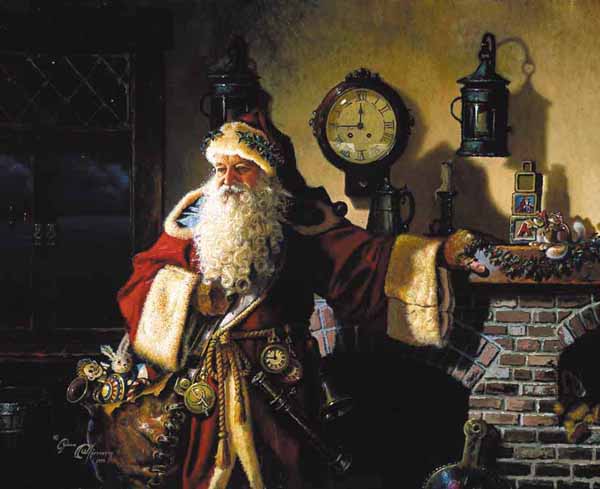
Well, it's finally here. Winter, that is, or whatever semblance of the stuff we get down here. Still, there it is. Rummy thing about this season is, it creates activity. Everyone's either throwing parties, dinners, cocktails, or just packing off and going on a toot. An enormous percentage of the general population seems to find this season just the right time to jump off the dock (read get married). Perhaps it's the fallout of the activity epidemic or a realisation that all the days of the year have suddenly run out, so why not make the best of what's left and get hitched. I must confess at this point that I have the heart of an eternal bachelor, for it is I believe the only honourable estate which allows a man to preserve his mental equilibrium. But I digress, getting back to the nip in the air (and I use the expression loosely), it has it's pros and cons, but personally speaking, I think the pros outweigh the cons. True, one can sense the devious flu-bug flapping it's microscopic wings in the air, and one is gulping down copious amounts of Vitamin C and orange juice to ward off this killjoy; however, it is also the weather which heralds the advent of Christmas. Christmas in it's varied warm hues tends to uplift ones' spirits, gives a man hope and an inclination to look forward to the nicer things in life. Christmas Trees,Carols, Plum Puddings, Mistletoe, Stuffed Turkeys, Presents and of course good old Saint Nick, are thoughts which put a smile on the stiffest of stiff upper-lips. I may not believe there's an over-weight old gent clad in red nightwear swooping down the chimney with a sackful of goodies, but I have no shame in admitting that I do believe in Santa Claus. One has never forgotten writing letters to Santa, hanging Christmas stockings and waiting eagerly all night only to run out at the crack of dawn to unwrap the boxes beneath the Christmas Tree. Whatever emerged from those packages, be it ever so humble as a mechanical ladybug (one of my all time faves), it was magical. The festivities at home, the ever-running kitchen and the warmth of guests added to that magic. That, I believe still endures and that to me is the magic of Santa Claus and Christmas.


It's Beginning To Look A Lot Like Christmas Lyrics

Sunday, September 16, 2007

What Ho!

I know the past couple of my posts here have been a tad morbid, circumstances demanded they did. However, if I may be allowed to paraphrase, into each life some sun must shine. I'm not saying it is; I'm saying it might. I read P.G. Wodehouse when I'm down. His words have a habit of transporting one to a utopian paradise. A world which I grudgingly doubt existed even in his time, is brought to life is a lucid manner. It takes imagination, not only to write, but also to read a book. An art which sadly is slowly becoming extinct. To live in a world of Sir Watkyn Basset, Galahad Threepwood or Lord Ickenham (Uncle Fred), maybe an impossibility in today's dog eat dog world, but some still try to fashion some small nook of their lives in that manner. I certainly try, even if it is for a few hours.
The simpler things in life, believe it or not, still have the potential to give immense pleasure and satisfaction, if that's what you're looking for. So when you plan your trip for the upcoming festivities, buy a Wodehouse, retire to some tech-forsaken quiet place and enjoy the simple pleasures. Cheers!

Friday, July 27, 2007

Tsunami - Have we forgotten?

Recently, I had occasion to visit a part of Southern India (near Chennai). A beautiful sleepy village near the coast of the southern tip of the Bay of Bengal called Karikattu Kuppam. This is a village where an entire village of fishermen, whose entire lives were literally wiped out by the Tsunami, have been given temporary shelters, sanitation, means for livelihood and an elementary educational system by Freemasons who 'adopted' the entire village and true to form, are trying to provide them with much needed succour without Corporate sponsorship or Government support. I was surprised when I was met by smiling faces of the fishermen and shiny eyes of their children. For people who have had their lives violently changed, they seemed to exhibit amazing fortitude and a firm determination to piece their lives back together.

I was then taken to their original village which had been completely wiped out. When I saw rows and rows of abandoned houses which had been first in line to bear the brunt of the Tsunami, the horror of the disaster hit home. They coast ,they said was corroded by the Tsunami by over 200 yards. Not a single house in the village was intact. I met an erstwhile resident of the village who took me to show the remains of his house. Such was the tremendous force of the waves that even the iron grills of his windows were broken and bent out of shape. Even three years after the fateful day, Nagamani's eyes filled up as he recalled that day. He was playing in front of his house with his two children on his shoulders, his wife, his father and mother, his sister and his brother were inside the house just about 150 yards from the current shoreline. He pointed to the remains a coconut tree in front of his house and said the 2 waves were higher than the tree. In a matter of a few minutes all his family members, including his two children perched on his shoulders, were swept away by the gargantuan waves. He, Nagamani added with regret in his voice, was the only survivor.

I left that village a somewhat changed man. But, there is hope. A few acres of land have been acquired at a safe distance from the ocean but close enough for the fishermen to continue with their mode of livelihood and hopefully a colony shall be built for them on it.

Perhaps we may never be able to give them fair warning, we certainly cannot turn back the hands of time, but there are lessons that we could learn, from the Tsunami and from the indomitable spirit of these villagers.

Wednesday, April 18, 2007

One man, Two guns and 33 lives.

It's been a while since I've written here. I guess it takes comparatively complacent writers like me an event which touches the soul to jolt us out of our complacency. The events of yesterday in Virginia have shocked millions. It is not a tragedy of the magnanimity of 9/11 or the War against Terror, granted. What shocks us is the spilling of young, innocent blood. I was watching the Convocation at Virginia Tech today, and it wasn't the speeches that affected me most, it was the faces of the hundreds of students sitting on the sidelines; their morales broken, the look of utter despair and uncertainty on their faces, not to mention the ubiquitous sense of grief. An act of a deranged, depraved or perhaps disillusioned mind causing such mayhem! One man, Two guns and 33 lives. Perhaps it's time for America to rethink the hands they put these guns into.
For the students, the affected families and the faculty it is a time for introspection, and a time to start rebuilding. For what is lost cannot be regained, but what is present and what is to come may be safeguarded. So here's to all of them, God Bless & God Speed.

Monday, December 25, 2006

Ho Ho Ho!

Merry Christmas & Greetings of the season. Well, it's that time of the year again which fills one with a warm glow...or misery and despair. For some this year has been tougher than others, for some it's been easier, but we've all pulled through by the mercy of the good Lord. Have we been good this past year or have we been naughty? Indeed this year, I've noted a noticable struggle between the kindered spirits and the Scrooges of this world. So who won this round? It would be pretentious of me to hazard a guess, however, this has been a day full of small coincidences...or miracles. If they are coincidences then this round goes to the Scrooges. If they are miracles, then we've won yet another round. After all, the only difference between a coincidence and a miracle is faith.

Have Yourself A Merry Little Christmas,
Let your heart be light
Next year,
All our troubles will be out of sight
Have yourself a merry little Christmas
Make the yuletide gay
Next year all our troubles will be miles away
Once again as in olden days
Happy golden days of yore
Faithful friends who were near to us
Will be near to us once more
Someday soon we all will be together
If the fates allow.
Until then, we'll have to muddle through somehow
So have yourself a merry little Christmas now.

Monday, August 28, 2006

Patriotism, Not Politics, Not Religion

Recently, some Muslim leaders in India refused and protested the Government's decision to make the recital of “Vande Mataram” (Hail Motherland), our National Song in schools for one day in a year. Let’s not make this a political issue, no this is beyond petty politics. This is a question of patriotism and allegiance. I fail to understand how singing the National Song of India in Indian Schools could be deemed objectionable by the Muslims who are protesting this issue. Why not? Where does their allegiance lie? In Pakistan perhaps? We're not asking them to sing Hindu Vedic Chants. A protest against the National Song is in itself objectionable and tantamounts to an insult to the nation. They want to live and work in India, they want to enjoy special privileges and sops in India, privileges which even Muslim countries wouldn't offer them, but when it comes to showing their allegiance by singing the National Song for just one day in a year, they cringe, they protest and they rebel. They fly Pakistani flags on top of their houses and mosques, they refuse government's policies, every religious occasion of theirs has to be a national holiday, they are free to use loudspeakers in their mosques, even though temples and churches are not, they are free to block main roads every Friday, even though Hindu pandals which encroach the roads are banned. They are a pampered lot in India, and unduly so. Some of them even have the nerve to ask Hindus to leave and go to Nepal; a classic example of give them a hand and they'll cut off your arm.

I am not saying this is true of every Muslim living in India. However, people who are protesting this decision do not belong in India; they should move or should be moved to the countries they owe their allegiance to.

Sunday, August 27, 2006

Luck

Luck is a concept, which is becoming increasingly alien to us in the 21st century. It is a much cherished, much loved but often much loathed word. If we apply Freudian analysis to this word we may be able to understand why and how it affects us. “A little far-fetched, but that's Psychology." These are the words of John R.Hayes, a Cognitive Theory Professor. We must however, understand that there are two sides to the coin that we are about to toss on a Freudian altar. Luck is said to be ‘bad’ as well as ‘good’ i.e. to say that it may affect us positively as well as negatively.

So what is good luck? I would like to believe that good luck is nothing but the ultimate, nevertheless, unexpected fulfillment of man’s wants. I use the word ‘wants intentionally to indicate a certain characteristic of ‘good luck’. What we want is not always what we get; what we do get in the normal course of life is usually what we ‘need’. ‘Wants’ so as to say are our desires but not our necessities. Wants do not have limitations i.e. to say they often do not have their feet planted upon the ground of practicality. So when such a desire is fulfilled without much ado on the part of person, we usually accredit it to ‘good luck’. I have heard people like Elizabeth Taylor consider themselves ‘lucky’ on hindsight at the twilight of their lives. What we observe here is that good luck is invariably connected with fulfillment. One feels lucky in life if he achieves all he wants to or if he attains the love he or she has pined for or to add a whole new dimension to it, one feels lucky if his religious ambits are satisfied

Luck is like water. It takes up the shape of the vessel it lands up in. What I mean to say is that the definition of luck or ‘good luck’ varies with the point of view of those who experience it. Sir Winston Churchill was so moved by what he considered his ‘good luck’ that he exclaimed, “There is nothing more exhilarating than to be shot at by a failed gun.

Endurance

Bob Dylan once wrote in a song:
" How many roads must a man walk down,
Before you call him a man?
How many seas must the white dove fly,
Before she sleeps in the sand?
Yes, and how many times must the cannonballs fly
Before they are forever banned?"

Let us look at the past few months, we have been afected by wars in the Middle East, devastated by floods, bombarded by terrorists, taken on a see-saw ride by the stock markets, threatened by political indecisions and mis-decisions, enchanted by sea-water turning sweet and Gods drinking milk (again), and we've endured them all. The indomitable spirit of man has endured and triumphed. Yes we've even redressed a bit of it's injustice to the Universe by kicking out poor Pluto (the erstwhile planet, not the cartoon character) from our solar system. Cosmic justice? Maybe.
But how long till the situation eases for us? If you go by Nostradamus, the Holy Bible (Book of Revelations), Kalki Avtaar (Srimad Bhagvata), it won't. Infact it will get a bit worse everyday. That is unless we pull ourselves back together or in Nat King Cole's words "Straighten Up and fly right". Especially the politicians who seem to guide the destinies of nations, should be made to realise what they're there for, not to enrich their lives or net worths, but to serve the nations for a change. not to stay in power for the sake of it, but to do what is right for the country. Not to think about what others would say or do, and defend our country.
Is that really possible, or is it just utopia?

"The answer my friend is blowing in the wind,
The answer is blowing in the wind."